
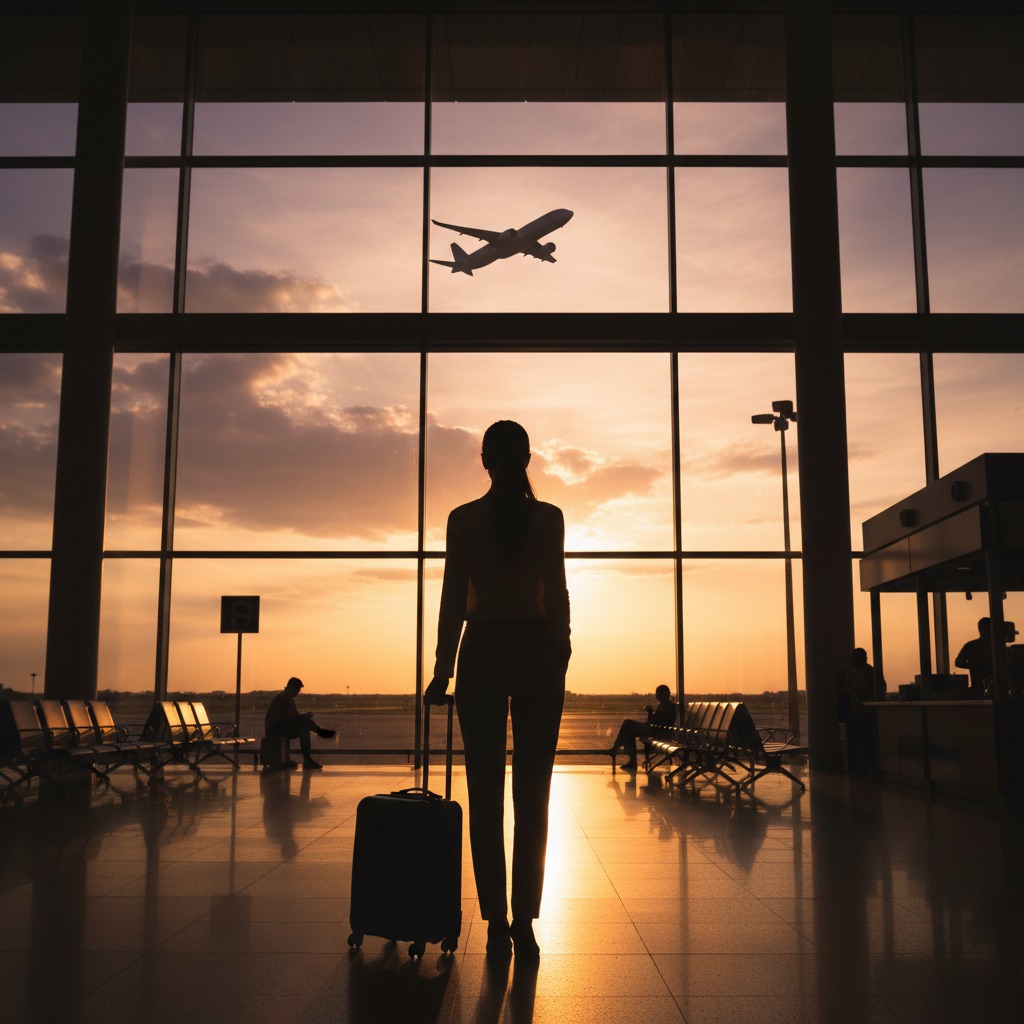
When people imagine their dream vacation, they often focus on exciting destinations, beautiful accommodations, incredible food, and unforgettable experiences (you know, the fun part). But behind every successful trip is something way less fun, but super important: safety.
Safety isn’t about traveling in fear or expecting the worst. It’s about creating a foundation that allows you to travel with confidence, reduce unnecessary stress, and fully enjoy your journey. Whether you’re a solo traveler, a queer traveler, a neurodivergent traveler, or planning a family vacation, safety should be an essential part of every travel plan.
The more prepared you are before you leave, the more freedom you’ll have to focus on what truly matters—exploring, connecting, and creating lasting memories.


What Does Travel Safety Actually Mean?
Travel safety goes beyond avoiding dangerous situations.
Effective travel planning includes:
- Researching destinations
- Understanding local customs and laws
- Choosing accommodations carefully
- Preparing for emergencies
- Knowing transportation options
- Protecting personal information
- Supporting your physical and emotional well-being
Safety is not a single checklist item—it’s a collection of decisions that help create a smoother, more enjoyable travel experience.
Why Safety Planning Reduces Travel Stress
One of the biggest benefits of safety-focused travel planning is peace of mind.
When you know:
- Where you’re staying
- How you’ll get around
- Who to contact in an emergency
- What local resources are available
you can spend less time worrying and more time enjoying your destination.
Travel naturally comes with uncertainty. Having a plan helps reduce anxiety and gives you the confidence to handle unexpected situations if they arise.
For many travelers, especially first-time solo travelers, preparation can make the difference between feeling overwhelmed and feeling empowered.
Safety Is Especially Important for Solo Travelers
Solo travel offers incredible opportunities for independence, self-discovery, and adventure.
It also means you’re often making decisions without a travel companion to consult.
Thoughtful planning can help solo travelers:
- Feel more confident navigating unfamiliar places
- Stay connected with trusted contacts
- Choose accommodations strategically
- Understand local transportation options
- Identify potential challenges before they occur
The goal isn’t to eliminate spontaneity—it’s to create a framework that supports it.
When basic safety needs are addressed, solo travelers often feel more comfortable embracing new experiences.
Why LGBTQ+ Travelers Benefit from Safety Research
For queer travelers, destination research often involves additional considerations.
Different countries, regions, and communities have varying laws, protections, and cultural attitudes regarding LGBTQ+ identities.
Before traveling, it’s helpful to research:
- Local LGBTQ+ laws
- Cultural norms
- Community resources
- Inclusive accommodations
- Recent traveler experiences
Understanding the local environment allows LGBTQ+ travelers to make informed decisions and plan experiences that align with their comfort level and travel goals.
Knowledge creates confidence.
Safety Planning for Neurodivergent Travelers
Travel safety isn’t only about physical security.
For many neurodivergent travelers, safety also includes creating environments that support sensory regulation, predictability, and comfort.
Helpful considerations may include:
- Researching transportation systems in advance
- Identifying quiet spaces
- Booking accommodations that meet sensory needs
- Building downtime into itineraries
- Downloading maps and schedules ahead of time
When travelers feel supported and prepared, they are often better able to enjoy new experiences without becoming overwhelmed.
Inclusive travel planning recognizes that safety looks different for different people.
Choosing Accommodations with Safety in Mind
Where you stay can significantly impact your travel experience.
When selecting accommodations, consider:
- Location and neighborhood
- Transportation access
- Guest reviews
- Security features
- Staff responsiveness
- Accessibility needs
Reading recent reviews can provide valuable insight into what current guests are experiencing.
A well-chosen accommodation often contributes to both comfort and peace of mind throughout a trip.
Understanding Local Transportation Before You Arrive
Transportation uncertainty is a common source of travel stress.
Before your trip, familiarize yourself with:
- Public transportation systems
- Ride-share availability
- Airport transfer options
- Walking routes
- Emergency transportation alternatives
Having a basic understanding of how you’ll move around your destination can help you feel more confident from the moment you arrive.
The fewer surprises you encounter, the more energy you’ll have for exploration.
Preparing for the Unexpected
Even the most carefully planned trips can involve unexpected situations.
Preparation may include:
- Saving digital copies of important documents
- Purchasing travel insurance
- Creating emergency contact lists
- Downloading offline maps
- Bringing essential medications
- Monitoring weather conditions
Being prepared doesn’t mean expecting problems.
It means knowing you have options if something doesn’t go according to plan.
Safety Creates More Freedom, Not Less
Some people worry that safety-focused travel planning makes trips feel restrictive.
In reality, the opposite is often true.
When travelers feel prepared and informed, they are often more willing to:
- Explore new neighborhoods
- Try unfamiliar experiences
- Meet new people
- Travel independently
- Embrace spontaneity
Safety planning creates confidence, and confidence creates freedom.
The most memorable adventures often happen when travelers feel secure enough to fully engage with the world around them.
Building a Travel Plan That Supports You
Every traveler has unique needs, preferences, and comfort levels.
A strong travel plan takes those factors into account and creates an experience that feels both exciting and manageable.
Questions to consider include:
- What helps me feel comfortable while traveling?
- What situations tend to cause stress?
- What support systems do I need?
- How much structure or flexibility do I prefer?
The answers will help guide decisions that contribute to a safer and more enjoyable trip.
Ready When You Are!
The best trips I’ve ever taken — and the best ones I’ve planned for clients — all have one thing in common: they started with feeling genuinely prepared. Not over-planned, not anxious, not white-knuckling it through the logistics. Just prepared. That’s what safety actually means in travel, and it looks different for everyone.
As a woman alone, it might mean knowing which neighborhoods to book in and which to avoid after dark. For LGBTQIA+ travelers, it means understanding not just the laws of a destination but the lived reality on the ground. With neurodivergent travelers, it means having an itinerary that accounts for sensory load and built-in breathing room. Safety isn’t a checklist. It’s the thing that makes confidence possible.
That’s the work I do at Jack’s SAFE Travels — and it’s the reason SAFE isn’t just safe. If you’re ready to plan a trip that’s actually built around you, shoot me a message. Let’s talk about where you want to go and what you need to feel great when you get there.
Leave a Reply