
Taking your first independent trip can feel both exciting and intimidating. Whether you’re planning a weekend getaway, a cross-country adventure, or an international vacation, stepping out into the world on your own is a major milestone.
It’s completely normal to feel nervous before traveling independently. Questions about safety, logistics, loneliness, and navigating unfamiliar places are common among first-time solo travelers. The good news is that confidence doesn’t come from knowing everything before you leave—it comes from gaining experience along the way.
With thoughtful planning and the right mindset, your first solo trip can become one of the most empowering experiences of your life.
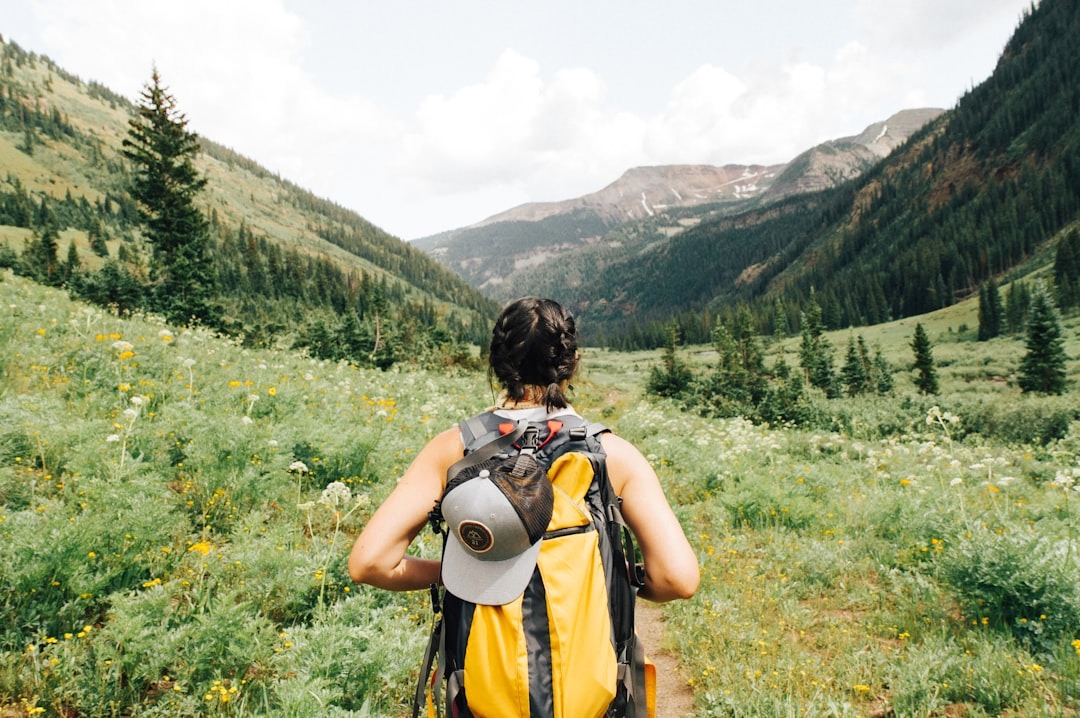
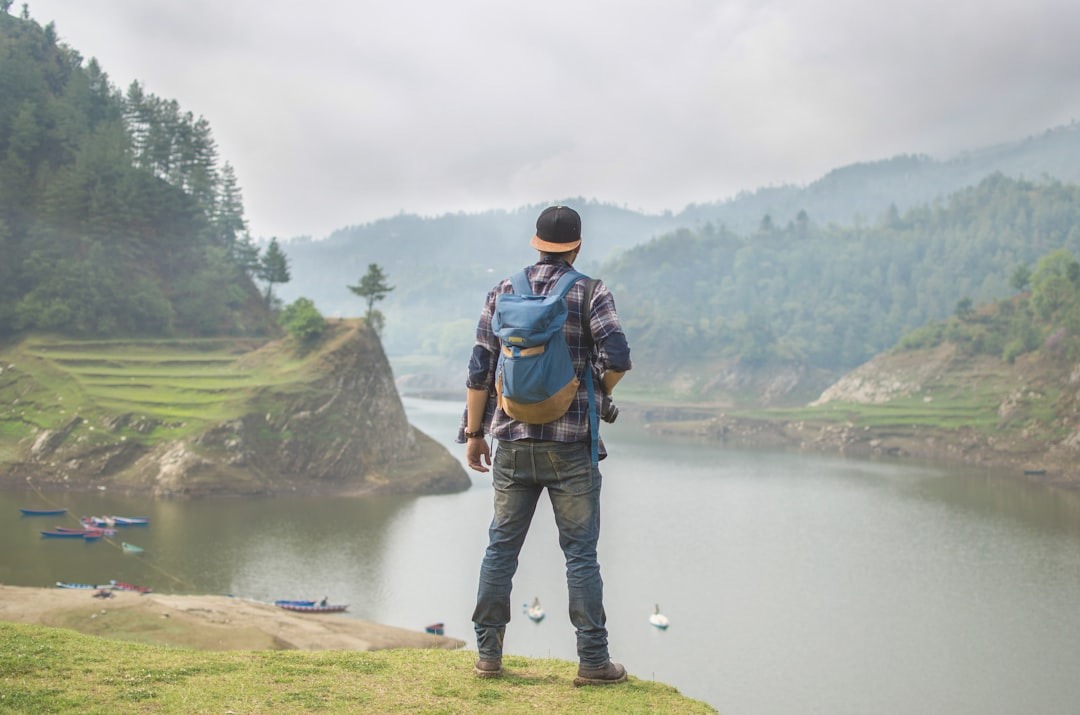
Why First-Time Solo Travel Feels Intimidating
Traveling independently often means stepping outside familiar routines and comfort zones.
Many first-time travelers worry about:
- Getting lost
- Making mistakes
- Traveling safely
- Dining alone
- Navigating transportation
- Managing unexpected situations
These concerns are completely normal.
The reality is that every experienced solo traveler was once a beginner. Confidence is built through action, not perfection.
Your first trip isn’t about having all the answers—it’s about learning that you’re capable of finding them.
Start Small and Build Momentum
One of the best ways to build travel confidence is to start with a trip that feels manageable.
You don’t need to book a month-long journey across the globe for your first independent adventure.
Consider:
- A weekend city break
- A nearby road trip
- A short domestic flight
- A destination where you speak the language
- A location with strong tourism infrastructure
Starting small allows you to develop travel skills and confidence without feeling overwhelmed.
Remember: every successful trip becomes a foundation for future adventures.
Focus on Preparation, Not Perfection
Preparation can significantly reduce travel anxiety.
Before your trip:
- Research your destination
- Book accommodations in advance
- Learn basic transportation options
- Save important addresses
- Download offline maps
- Create a flexible itinerary
Having a plan provides structure, but it’s equally important to leave room for spontaneity and unexpected opportunities.
The goal isn’t to control every detail—it’s to feel prepared enough to adapt when needed.
Practice Independent Experiences Before You Travel
If solo travel feels intimidating, start by practicing independence closer to home.
Try:
- Dining alone at a restaurant
- Visiting a museum by yourself
- Taking a day trip independently
- Attending an event solo
- Exploring a nearby neighborhood
These experiences can help normalize being on your own and build confidence before your trip.
Many travelers discover that the hardest part isn’t traveling alone—it’s taking the first step.
Create a Realistic Itinerary
One common mistake among first-time solo travelers is overplanning.
Trying to see everything can lead to stress, exhaustion, and disappointment.
Instead:
- Prioritize a few key experiences
- Build downtime into your schedule
- Allow flexibility for changing plans
- Leave room for rest and exploration
Travel becomes much more enjoyable when you give yourself permission to slow down.
The best memories often come from unplanned moments.
Learn to Trust Yourself
One of the most powerful benefits of independent travel is learning to rely on your own judgment.
Throughout your trip, you’ll make countless decisions:
- Which route to take
- Where to eat
- How to spend your time
- When to change plans
Each decision reinforces your ability to navigate unfamiliar situations successfully.
The more you trust yourself, the more confident you’ll become.
Remember That Mistakes Are Part of Travel
Missed trains, wrong turns, language misunderstandings, and unexpected changes happen to nearly every traveler.
These moments don’t mean you’ve failed.
In fact, they often become the stories you laugh about later.
Travel confidence doesn’t come from avoiding mistakes—it comes from learning that you can handle them when they happen.
The ability to adapt is one of the most valuable travel skills you’ll ever develop.
Stay Connected While Maintaining Independence
Traveling independently doesn’t mean you have to be disconnected.
Consider:
- Sharing your itinerary with someone you trust
- Checking in periodically
- Keeping emergency contacts accessible
- Using messaging apps for communication
Knowing that support is available can provide peace of mind while still allowing you to enjoy the freedom of solo travel.
Celebrate Small Wins
Confidence grows through small successes.
During your trip, take time to acknowledge achievements such as:
- Navigating a new transportation system
- Exploring a city independently
- Trying something unfamiliar
- Solving a travel challenge
- Meeting new people
These moments may seem small, but they represent meaningful growth.
Each one proves that you’re capable of more than you may have realized.
The Transformation That Happens After Your First Trip
Many travelers discover that the person who returns home isn’t quite the same person who left.
After your first independent trip, you may notice:
- Increased self-confidence
- Stronger problem-solving skills
- Greater independence
- Improved adaptability
- A willingness to embrace new experiences
Travel has a way of expanding both your perspective and your belief in yourself.
Once you’ve successfully completed one solo adventure, future trips often feel far less intimidating.
The First Step is the Hardest One
Here’s something I want you to know before we get into the logistics: every confident traveler you’ve ever envied on Instagram was once exactly where you are right now. Nervous. Googling “is it safe to travel alone.” Closing seventeen tabs and opening them again. That’s not weakness — that’s just the beginning.
Building confidence for your first independent trip isn’t about making the fear disappear. It’s about taking the first step anyway — and having enough support behind you that the step doesn’t feel so big.
That’s what I love most about working with first-time solo travelers. There’s something incredible about watching someone go from “I don’t think I could do this” to sending me photos from the other side of the world. I’ve been that person. I know what it takes to get there. And I know that the difference between a trip that feels overwhelming and one that feels like the best decision you’ve ever made is usually just having the right person in your corner during the planning process.
If you’re thinking about your first solo trip — even just thinking about it — shoot me a message. We don’t have to have it all figured out yet. Let’s just start the conversation.
Leave a Reply