

Travel looks different for everyone. For neurodivergent travelers, the ideal vacation often balances exciting experiences with predictability, accessibility, sensory-friendly opportunities, and the flexibility to recharge when needed.
The good news is that many destinations around the world offer exactly that. Whether you’re looking for structured public transportation, calming natural landscapes, immersive cultural experiences, or flexible itineraries, there are plenty of places where you can travel comfortably and confidently.
Here are six of our favorite neurodivergent-friendly vacation destinations and what makes each one worth considering.
What Makes a Destination Neurodivergent-Friendly?
While every traveler’s needs are different, many neurodivergent travelers benefit from destinations that offer:
- Reliable transportation systems
- Clear signage and navigation
- Flexible activity options
- Quiet spaces and nature access
- Predictable schedules
- Accommodations that support sensory needs
- Opportunities to balance activity with downtime
These destinations stand out because they allow travelers to customize their experience while minimizing unnecessary stress.
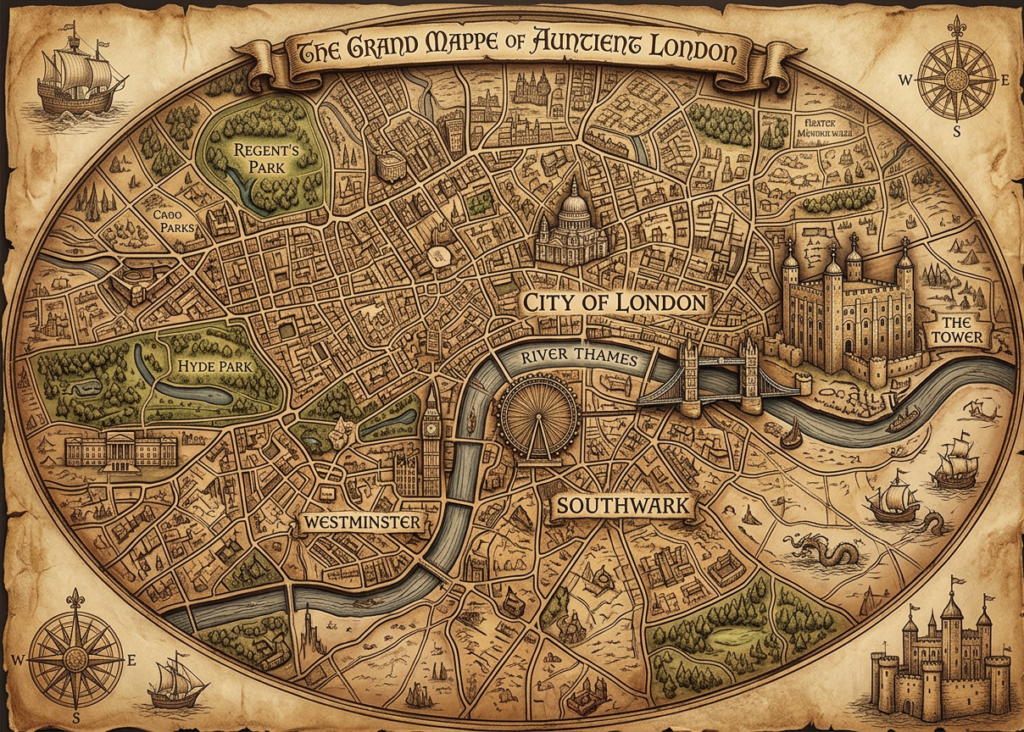
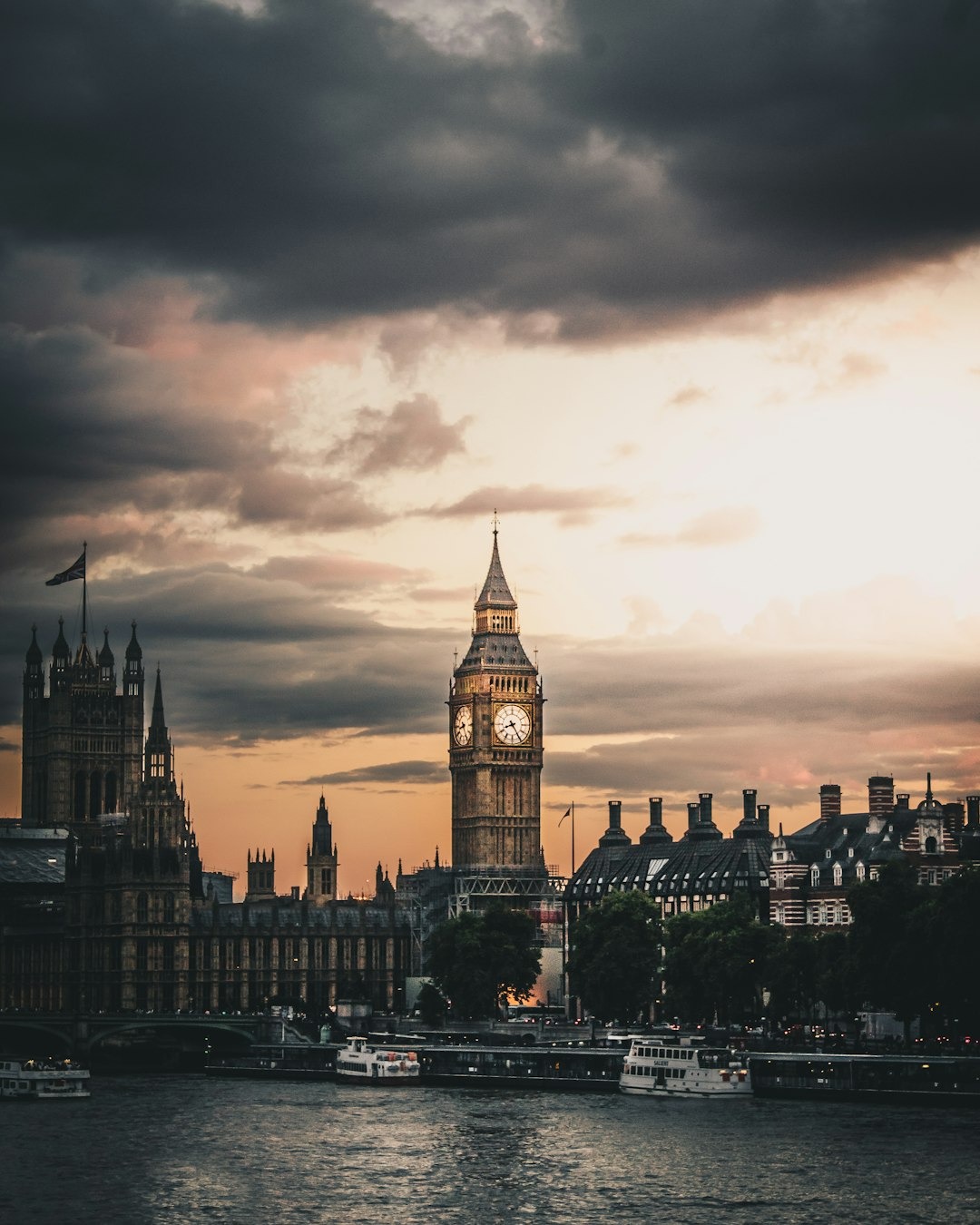
1. London, England: Structure, Accessibility, and Endless Choice
London is one of the most accessible and adaptable cities in the world for neurodivergent travelers.
The city’s extensive transportation network makes it easy to move around without needing to navigate complicated travel logistics. Many attractions offer online booking, timed entry, and accessibility information that allows visitors to plan ahead.
Why London Works Well
- Extensive public transportation system
- Numerous free museums and galleries
- Clear wayfinding throughout the city
- Plenty of parks and green spaces
- Wide range of accommodation options
Sensory-Friendly Highlights
- Kew Gardens
- Hampstead Heath
- The British Museum during quieter hours
- Canal walks through neighborhoods like Little Venice
One of London’s biggest advantages is choice. If a planned activity feels overwhelming, there are always quieter alternatives nearby.
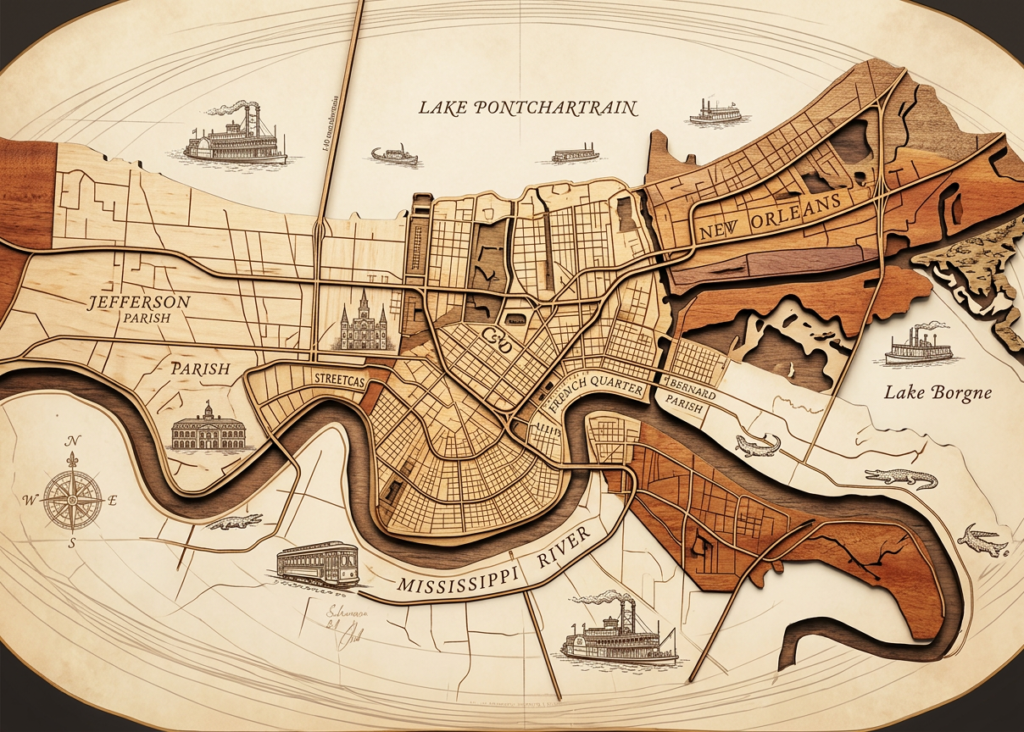
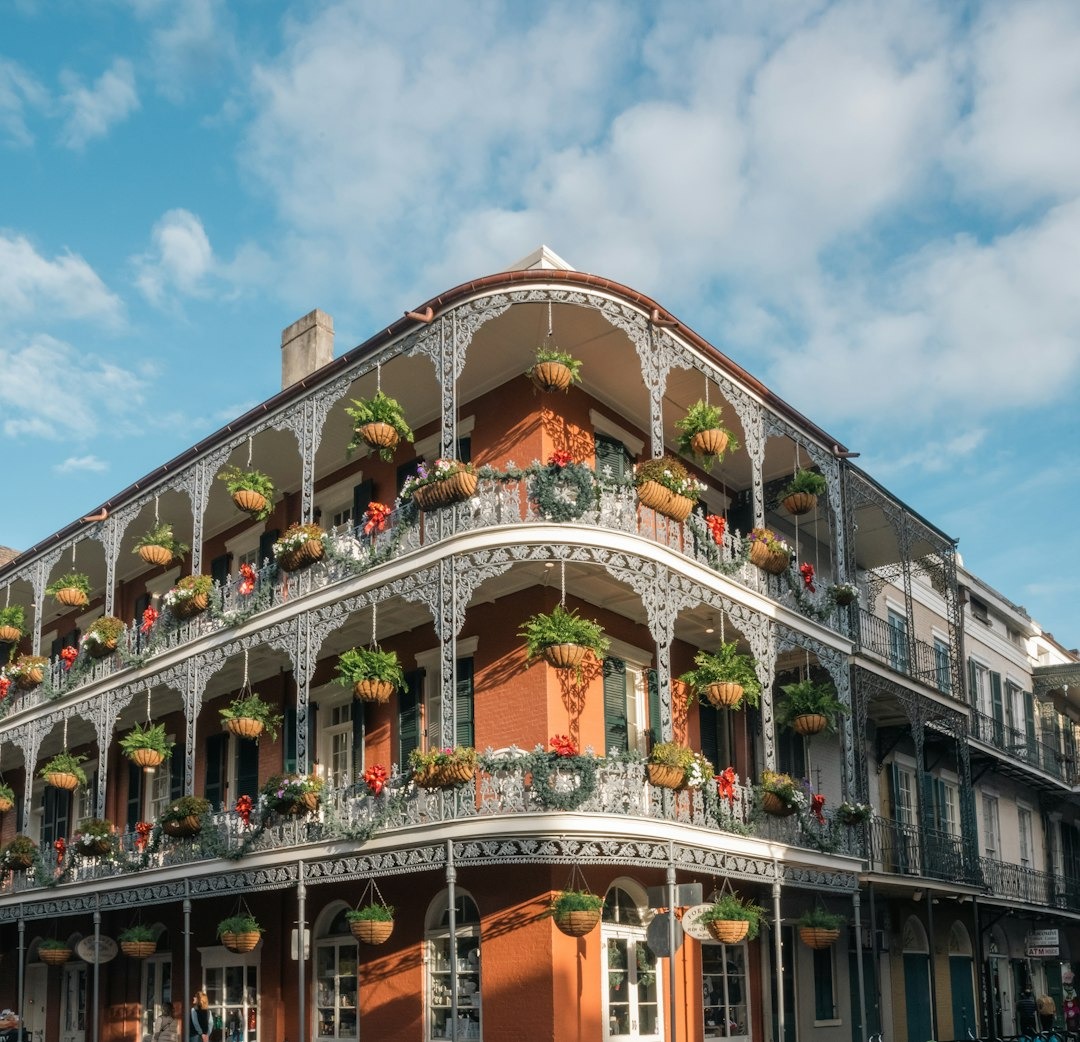
2. New Orleans, Louisiana: Flexible Exploration Beyond Bourbon Street
New Orleans is often associated with lively festivals and nightlife, but the city also offers plenty of calm, enriching experiences that appeal to neurodivergent travelers.
The key is planning beyond the busiest tourist zones.
Why New Orleans Works Well
- Walkable historic neighborhoods
- Rich cultural experiences
- Flexible sightseeing options
- Strong food and arts scene
- Numerous outdoor spaces
Sensory-Friendly Highlights
- City Park
- New Orleans Botanical Garden
- Early morning walks through the French Quarter
- Scenic rides on historic streetcars
Visiting outside major festival periods can provide a quieter and more comfortable experience while still allowing you to enjoy the city’s unique culture.

3. Alaska Cruises: Nature, Predictability, and Built-In Flexibility
An Alaska Cruise can be an excellent option for travelers who appreciate structured schedules combined with the freedom to choose how much—or how little—they want to do.
Cruises provide a consistent home base while allowing travelers to experience multiple destinations without the stress of frequent hotel changes or transportation planning.
Why Alaska Cruises Work Well
- Predictable daily schedules
- Private cabin retreat spaces
- Flexible activity levels
- Stunning natural scenery
- Opportunities for quiet observation
Sensory-Friendly Highlights
- Glacier viewing from private balconies
- Wildlife watching excursions
- Scenic cruising days
- Relaxing observation lounges
Many travelers find that spending time watching glaciers, mountains, whales, and coastal landscapes offers a uniquely calming travel experience.

4. Kyoto, Japan: Calm, Routine, and Cultural Immersion
Kyoto is often described as one of Japan’s most peaceful destinations.
Known for its temples, gardens, and slower pace compared to larger cities, Kyoto offers opportunities for structured exploration alongside moments of quiet reflection.
Why Kyoto Works Well
- Efficient transportation
- Predictable cultural norms
- Beautiful green spaces
- Walkable districts
- Opportunities for mindful travel
Sensory-Friendly Highlights
- Arashiyama Bamboo Grove
- Philosopher’s Path
- Traditional Japanese gardens
- Early morning temple visits
Travelers who enjoy routines and detailed planning often appreciate the organization and reliability found throughout Japan.

5. Santiago, Chile: A Balanced Urban Adventure
Santiago offers a compelling mix of urban exploration, mountain views, and flexible travel opportunities.
As one of South America’s most modern cities, Santiago provides infrastructure that helps reduce common travel stressors while still delivering memorable cultural experiences.
Why Santiago Works Well
- Modern public transportation
- Accessible city layout
- Mild climate for much of the year
- Variety of activity levels
- Easy access to nature
Sensory-Friendly Highlights
- Parque Metropolitano de Santiago
- Cerro San Cristóbal
- Local cafés and quieter neighborhoods
- Day trips to nearby vineyards
The ability to alternate between city experiences and natural settings makes Santiago especially appealing for travelers seeking balance.

6. Auckland, New Zealand: Relaxed Exploration and Natural Beauty
Auckland consistently ranks among the world’s most livable cities, and many of those same qualities make it an appealing destination for neurodivergent travelers.
The city’s slower pace, outdoor lifestyle, and welcoming atmosphere create opportunities for both adventure and relaxation.
Why Auckland Works Well
- Easy access to nature
- Friendly local culture
- Flexible sightseeing options
- Excellent waterfront areas
- Comfortable pace of life
Sensory-Friendly Highlights
- Auckland Domain
- Waiheke Island
- Coastal walks and beaches
- Harbor cruises
Auckland is ideal for travelers who enjoy creating their own pace and spending time outdoors without feeling rushed.
Tips for Planning a Neurodivergent-Friendly Vacation
No matter where you choose to go, a few simple strategies can make travel more enjoyable:
- Book accommodations that support your sensory needs
- Build downtime into your itinerary
- Use timed-entry tickets whenever possible
- Download maps and transportation apps in advance
- Bring comfort items and familiar routines
- Allow flexibility for changing energy levels
- Research quiet spaces near major attractions
The goal isn’t to avoid every challenge—it’s to create a travel experience that works for you.
Final Thoughts
The best neurodivergent-friendly vacations are the ones designed around your personal preferences, comfort level, and travel style. Whether you’re exploring the gardens of Kyoto, cruising through Alaska’s breathtaking landscapes, wandering London’s museums, discovering New Orleans’ culture, taking in Santiago’s mountain views, or relaxing along Auckland’s waterfront, there are countless ways to experience the world on your own terms.
At Jack’s Safe Travels, we specialize in helping travelers create neurodivergent-friendly travel experiences, sensory-conscious itineraries, inclusive vacations, and personalized journeys that prioritize comfort, accessibility, and confidence. We understand that every traveler is different, and we’re here to help you build a trip that fits your unique needs.
Ready to start planning your next adventure? Schedule your free travel consultation today and let us help you design a customized itinerary that supports how you travel best.
Leave a Reply