

“Travel is at its best a solitary enterprise: to see, to examine, to assess, you have to be alone and unencumbered.” – The Old Patagonian Express by Paul Theroux
All my life, solo travel has been described to me as a dangerous pursuit. The thing that starts true crime documentaries, action movies where the traveler gets rescued, and the start of a missing person’s news story. The reality is much less shock and awe: the most common difficulty I have when traveling solo is no one to trade food with when I inevitably order something I don’t like.
Traveling alone is a great exercise in finding yourself – discovering new things in a world where our first impressions are more and more often put to public scrutiny, learning how you react when you’re not worried about the opinions of the people around you following you home to the next holiday dinner, and trusting yourself to handle challenges on your own. We shouldn’t be scared of it, or scared away from it. It’s a hurdle we should embrace, a trial to tackle, a quest to overcome. It’s empowering and emboldening.
The best way to travel, no matter who is with you, is prepared. Here’s 10 real tips to get you started on your solo travel worth writing home about.
1. Research Your Destination Beyond the Tourist Sites
It’s no secret that Jack’s SAFE Travels focuses on making sure marginalized communities get the same travel experience anyone should expect. It’s also no secret that some places don’t share that vision. For solo women travelers and LGBTQ+ people it’s important to research local laws about gender and sexuality. There are still countries that penalize gay relationships and cross dressing. While this doesn’t necessarily prohibit LGBTQ+ travelers from visiting, it does mean keeping in mind extra precautions when travelling there. Websites like Equaldex can be a lifeline for starting this research
Cultural differences like modesty laws, holidays, and typical hours of operations are also an important part of research. Knowing that it doesn’t matter how hot it is, in Malta you have to cover your shoulders to go into a church, would save a lot of people from getting kicked out of line for wearing tank tops. Knowing that most of Spain famously closes for siesta in the afternoon, that night life doesn’t stop at midnight on weeknights in Brazil, or that in Japan being polite is more important than leaving on time is important for navigating your own schedule on vacation.
Look into culture guides, or (better yet!) get a travel agent that makes custom guides for your trip: personalized to you and knowledge you’ll actually use.
2. Information Is Power – Have As Much As You Can
Just like researching your destination for cultural knowledge is important for a safe stay, knowing your emergency contact numbers is necessary. I’m always surprised by the number of people I meet who don’t know that 911 is not a universal emergency number. Memorizing the emergency number of your travel destination, the address of your accommodations, and the location of your nearest emergency room are all things that should be considered mandatory for a solo traveler.
Having a card with non-emergency lines and addresses is also important. Make sure you have
- Local emergency numbers
- The address of your accommodation
- The nearest hospital or clinic
- Transportation options back to your accommodation
In a day and age that exists more and more on our phones, keeping a physical or mental copy for when technology fails you should not be overlooked. Speaking of which!
3. Keep Important Documents Backed Up and Printed Out
What was supposed to be an hour layover turned into a four hour layover. My phone was dying. My battery packs had been drained on the first leg of the journey when I learned my seat’s charging was broken. I had no way of getting my boarding pass printed. Nightmare fuel that could have been avoided (seriously, I still have nightmares about not being allowed to board because I didn’t have a physical boarding pass).
Store digital copies of:
- Your passport
- Identification cards
- Travel insurance documents
- Flight confirmations
- Emergency contact information
I learned the hard way that printing my boarding pass wasn’t old school, it was practical. I print my tickets to events, my boarding passes, my itinerary, and my booking confirmations whenever possible now. Many hotels offer free printing to guests, you just have to ask.
4. Pick a Reliable Emergency Contact (and actually contact them)
My dad’s biggest fear is that I will disappear on a trip and he’ll never know (I mean he hasn’t said it in those words, but I’m probably right). When you fly, you’re encouraged if not required to fill out an emergency contact. Since they’re already your emergency contact for your flight, make them your emergency contact for the entire trip. Send them your itinerary so that they know where you should be and when you should be available. Update them, international texting charges allowing, when you arrive at your destinations.
It’ll give you peace of mind to know that someone is keeping track of you, even from a distance, and it’ll give them peace of mind that if something goes wrong they won’t be wondering for days. Do NOT take off to another country without telling your emergency contact (sorry, dad, I was young and foolish).
5. Be Safe (Not Paranoid)
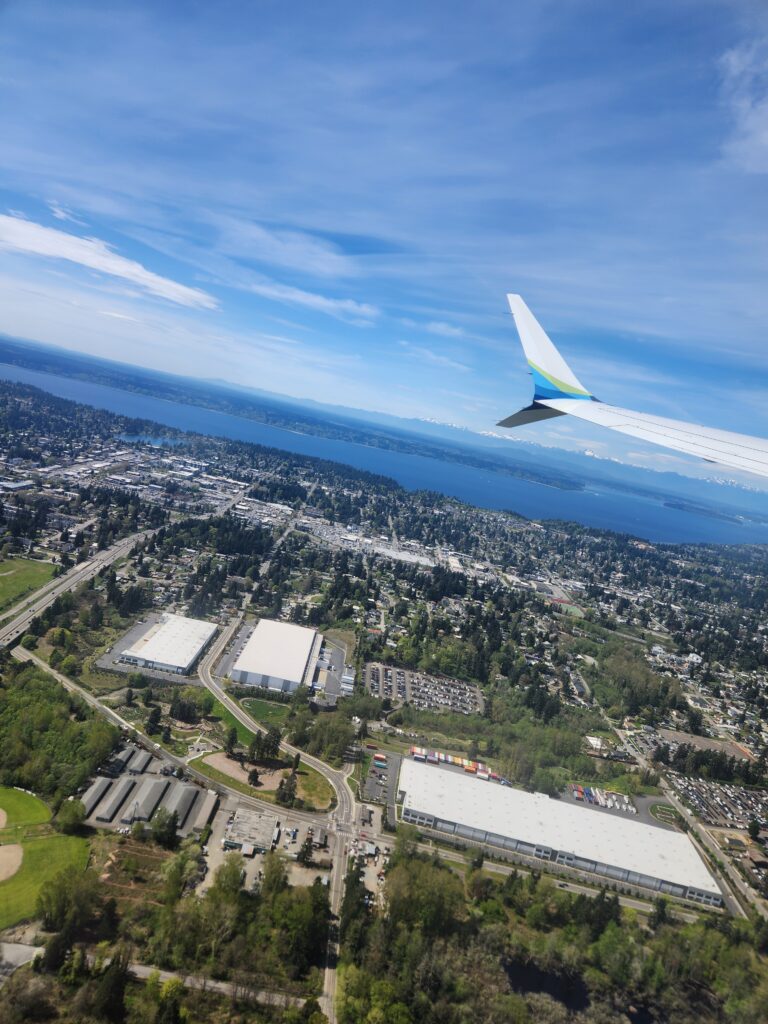
Now seems like a good time to check in and remind us all that solo trips are supposed to be fun. It’s easy to spend so much time agonizing over what could go wrong that you lose sight of that. Remember that ultimately, you should be having a grand adventure. There’s a reason we say that SAFE isn’t just safe. It’s also adventurous, fantastic, and exciting. If you’re not having the time of your life, reset. Take a breath, and make a plan to get back to fun. Being aware of your surroundings doesn’t mean constantly expecting danger.
Simple habits can help:
- Limit distractions when walking in unfamiliar areas
- Know your route before leaving
- Keep your phone charged
- Pay attention to exits in public spaces
The goal is confidence, not hypervigilance.
6. Know How to Ask for Help
Stranger danger was a huge thing for me growing up, and now I can be a little nervous to ask for help when I need it. Nothing will change that faster than being in a country where you don’t know how to navigate a bus line, or where the nearest ATM is. Learning how to ask for help is one of the biggest suggestions I always have for first time solo travelers. Going into a shop and asking (with the help of Google Translate or charades) how to get to the nearest train station is a mandatory skill.
You can’t be afraid of help. Most people are nicer than you’d expect, and plenty are willing to help if you’re polite about it.
7. Create a Sensory-Friendly Travel Plan
The joys of traveling on your own are that you don’t need to follow anyone else’s schedule. No rushing when you need to take your time, you can choose what part of the crowded museum you have energy for at what time, and when you want to try and wake up before the crowds.
Consider:
- Packing noise-canceling headphones
- Scheduling downtime between activities (I call it TikTok nap time back at the room)
- Downloading maps ahead of time
- Researching busy periods for attractions
- Creating flexible daily plans rather than rigid schedules
Building in recovery time can make travel more enjoyable and sustainable. Who wants all of their stories to be about how they were too tired to appreciate the Mona Lisa?
8. Be Thoughtful About What You Share Online
Posting in real time can sometimes reveal your exact location to strangers.
Consider sharing photos and updates after you’ve left a location, especially when traveling alone. Adjust privacy settings on social media and be mindful about publicly sharing accommodation details.
Besides, if you’re scheduling down time you’ll have plenty of time to post when you’re not out and about.
9. Trust Your Instincts
When you’re used to relying on a travel group, you can get accustomed to having a crowd sourced opinion. Traveling alone you have your own safety as your main priority. Which means your gut is your best friend (and not just because you’re not sharing any of your snacks). If a situation, person, or location feels off, you don’t need to justify leaving.
Many experienced travelers credit intuition as one of their most valuable safety tools. Whether it’s changing seats, declining an invitation, or leaving a venue early, prioritizing your comfort is always a valid choice.
10. Remember That You Belong Here
Many people from marginalized communities have been made to feel like travel isn’t designed for them.
The truth is that the world belongs to all of us.
Whether you’re a queer traveler seeking welcoming spaces, a woman embarking on your first solo adventure, or a neurodivergent explorer navigating travel in your own way, you deserve experiences that are safe, joyful, and authentic.
Preparation matters. Awareness matters. But so does confidence. The goal isn’t to travel fearfully—it’s to travel thoughtfully, so you can focus on what really matters: discovering new places, meeting new people, and creating unforgettable memories.
Final Thoughts
Safer solo travel isn’t about eliminating every risk. It’s about making informed decisions that help you feel empowered and prepared.
Whether you’re planning your first solo adventure or you’re an experienced traveler looking for new destinations, taking time to prepare can make all the difference.
At Jack’s Safe Travels, we specialize in helping solo women travelers, LGBTQ+ travelers, and neurodivergent travelers create journeys that are empowering, inclusive, and tailored to their unique needs. From choosing safe destinations and accommodations to building sensory-friendly itineraries and finding queer-friendly experiences, we’re here to help you travel smarter and more confidently.
Ready to start planning your next adventure? Schedule your free travel consultation today and let’s create a personalized travel experience that fits your comfort level, interests, and travel goals. Whether you’re dreaming of a weekend getaway, a long-term solo journey, or your first international trip, we’ll help you navigate the details so you can focus on the excitement of exploring the world.
Leave a Reply